
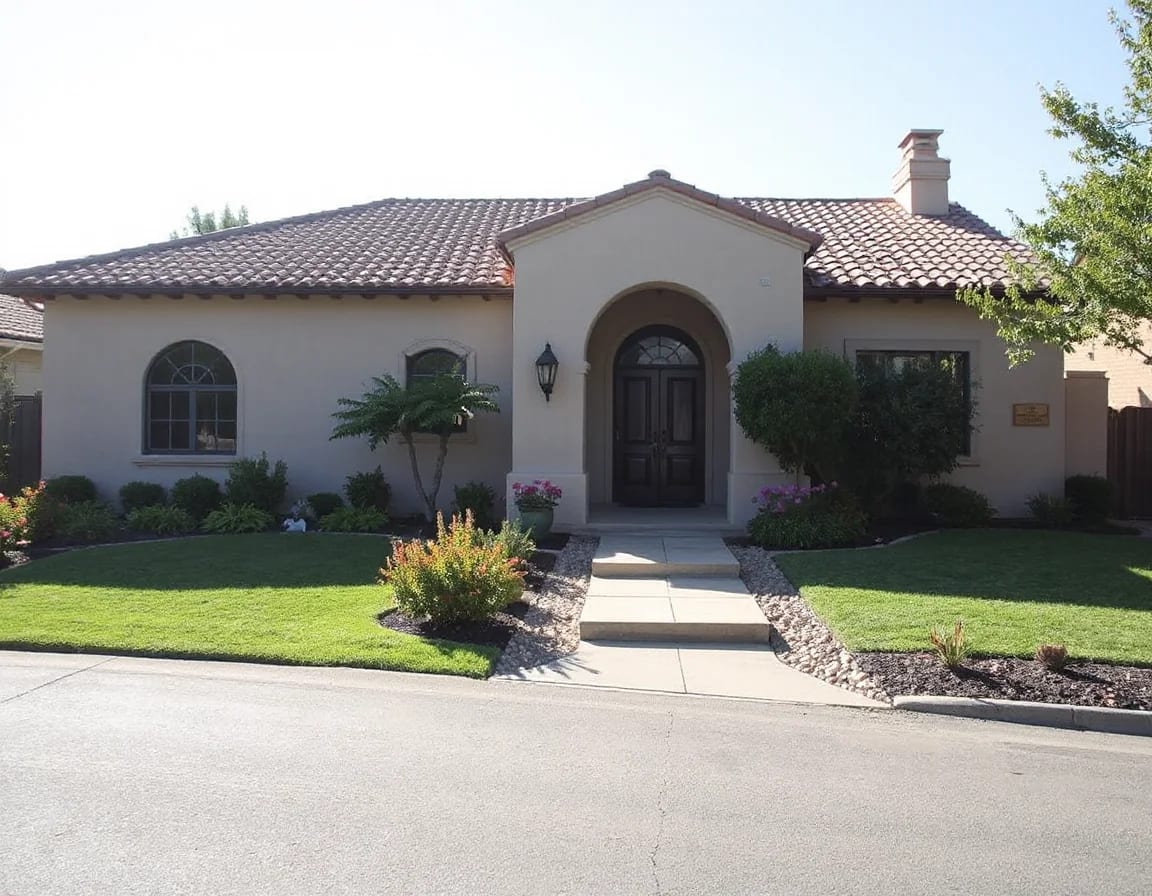
Selling a Los Angeles home with confidence starts long before the first showing. A focused pricing strategy, polished presentation, and a clear plan for negotiations can help you make informed decisions in a market where every neighborhood, property type, and buyer pool moves differently. The goal is not simply to list—it is to position your home so its strongest features are easy to recognize.
Start With a Strategy, Not a Sign
Los Angeles real estate rewards preparation. From condos near Downtown Los Angeles to homes in established residential areas, properties can attract very different levels of interest depending on condition, pricing, timing, and how clearly the listing communicates value. Before choosing a launch date, take time to look at recent comparable sales, current competition, and the features that distinguish your property from other available homes.
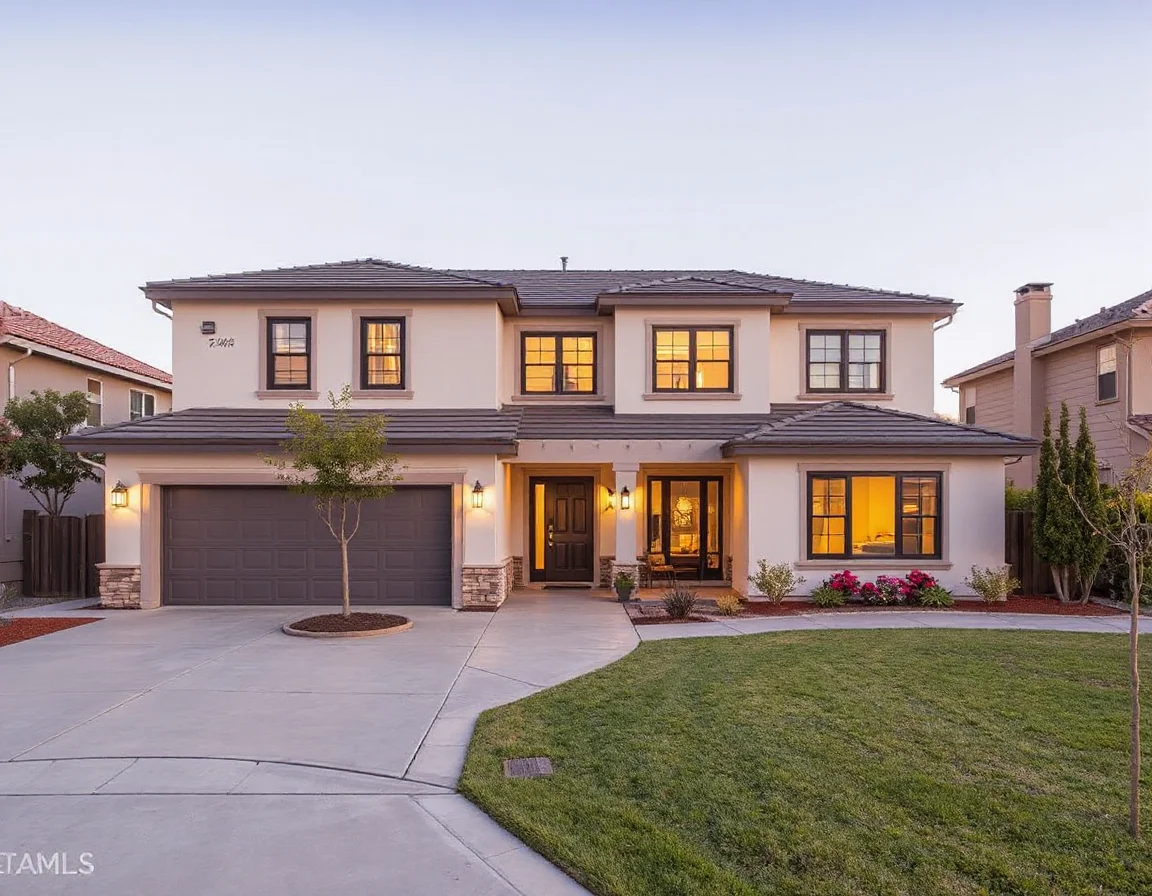
Accurate pricing is the foundation. Setting a number based only on a nearby headline sale can leave out important details: square footage, condition, parking, outdoor space, building amenities, monthly dues, views, and the exact location within a neighborhood all matter. A thoughtful comparative market analysis should account for closed sales as well as active and pending listings, because buyers will compare your home against what they can purchase now.
It is also useful to decide what success means before the listing goes live. Some sellers prioritize a particular closing window; others need flexibility for a purchase, a move, or a lease transition. Knowing your preferred timeline, target proceeds, and negotiation boundaries in advance makes it easier to evaluate offers calmly rather than react under pressure.
The first several days on market often create the clearest signal about buyer response. A strong launch plan gives your listing its best chance to reach active buyers while the home is newly available.
In a market as varied as Los Angeles, broad assumptions can be costly. A loft-style condominium, a hillside property, and a classic single-family residence may each require a different pricing conversation and marketing emphasis. The Property Lab helps sellers focus on the details buyers can verify and appreciate, rather than relying on one-size-fits-all advice.
Make the Home Easy to Understand
Buyers make early decisions quickly, often while viewing photos, floor plans, and listing details online. That does not mean a home needs to look generic. It means each space should be presented with enough clarity for a buyer to picture its scale, flow, storage, natural light, and practical uses. A well-prepared home feels intentional from the first image through the final walk-through.
Begin with a practical pre-listing review. Address visible maintenance items, refresh worn paint where appropriate, check lighting, and reduce visual clutter. In condominium sales, organize documents related to the homeowners association, including fees, amenities, rules, and known assessments. For single-family homes, gather records for significant improvements, permits where applicable, service history, and features such as solar equipment or smart-home systems.

Professional photography is more than a finishing touch. It should highlight the property’s best assets without obscuring the layout or creating unrealistic expectations. Depending on the home, that may include architectural details, indoor-outdoor connections, a private patio, a view corridor, a renovated kitchen, or building amenities. Floor plans and accurate property information can add useful context, particularly when buyers are comparing multiple listings.
Staging can be equally helpful when it supports the home rather than distracts from it. The goal is to create clean sightlines and a sense of proportion. Remove excess furniture, clear counters, and make sure important features remain visible. A smaller room may benefit from simplified furnishings, while an open living area may need thoughtful placement to show how the space can function.
Small repairs and crisp presentation can have an outsized effect because buyers often use visible condition as a clue about the care given to the rest of the property.
For homes near USC or Downtown Los Angeles, accurate location context matters as well. Mention objective conveniences such as nearby transit options, major employment centers, cultural venues, parks, and access routes where relevant. Clear facts help buyers evaluate a property on their own terms and help the listing stand out for the right reasons.
Market the Details That Create Value
Effective marketing starts with a clear story: what is distinctive about this home, and which features deserve attention first? A luxury residence may call for an emphasis on craftsmanship, materials, privacy, or entertaining spaces. A condominium may benefit from a straightforward explanation of its floor plan, parking, amenities, and building services. The strongest marketing is specific, accurate, and designed to answer the questions serious buyers are likely to ask.
That story should appear consistently across photography, property descriptions, showing materials, and agent conversations. Instead of relying on broad superlatives, use concrete details: the number of parking spaces, ceiling height, recent upgrades, balcony orientation, storage options, lot features, or proximity to notable Los Angeles destinations. Specificity builds credibility and gives buyers memorable reasons to return for a second look.
Showings deserve preparation, too. Keep access instructions simple, make the property comfortable to view, and maintain the presentation throughout the listing period. Feedback from showings can reveal useful patterns. If buyers regularly praise the layout but hesitate over pricing, condition, or a missing detail in the listing, you can respond strategically rather than guessing.
Online visibility is important, but the best campaign also creates an organized process for qualified interest. Timely communication, accurate disclosures, and coordinated scheduling help keep momentum moving forward. Sellers should know what is happening at each stage, what feedback is meaningful, and when an adjustment may be worth considering.
Talk through your selling plan
Evaluate Offers With the Full Picture in View
An offer is more than its purchase price. Financing terms, contingencies, deposit amount, requested credits, appraisal considerations, timing, and the proposed closing date can all affect the strength of the transaction. A clean offer with terms that match your priorities may provide more certainty than a higher number with extensive contingencies or an uncertain timeline.
Review each offer line by line and compare it to the strategy you set before listing. Ask how the buyer is financing the purchase, when inspections are scheduled, what disclosures have been acknowledged, and whether the requested dates fit your plans. If there are multiple offers, a structured response can preserve leverage while giving you room to choose terms that work for your situation.
Negotiations do not have to feel adversarial. Clear communication and well-supported counteroffers can keep the transaction focused on practical solutions. The same principle applies after acceptance: stay organized around inspections, appraisals, lender milestones, title items, and final preparations for closing. A coordinated process reduces avoidable surprises.
Move Forward With Clarity
Confidence comes from knowing why each decision is being made. When pricing is supported by current data, the home is presented thoughtfully, and every offer is reviewed in context, selling becomes a manageable sequence of informed steps rather than a series of last-minute reactions.
Los Angeles is a dynamic market, and no two properties have exactly the same path to a successful sale. Whether you are preparing a Downtown Los Angeles condo, a home near USC, or another Los Angeles property, a tailored plan can help you focus attention where it matters most: the details that communicate value, attract meaningful interest, and support a smooth closing.
